Researchers are examining a weather-linked seismic phenomenon that could offer a fresh way to probe what lies beneath the Earth's surface, according to nationalgeographic.com.es.
The outlet reports that scientists studying "thunderquakes"—a term for seismic signals triggered by storms—have found these events may help locate geological formations hidden underground. The phenomenon occurs when acoustic waves from thunder couple with the ground, producing measurable tremors, as described in coverage from Meteored España and El Debate.
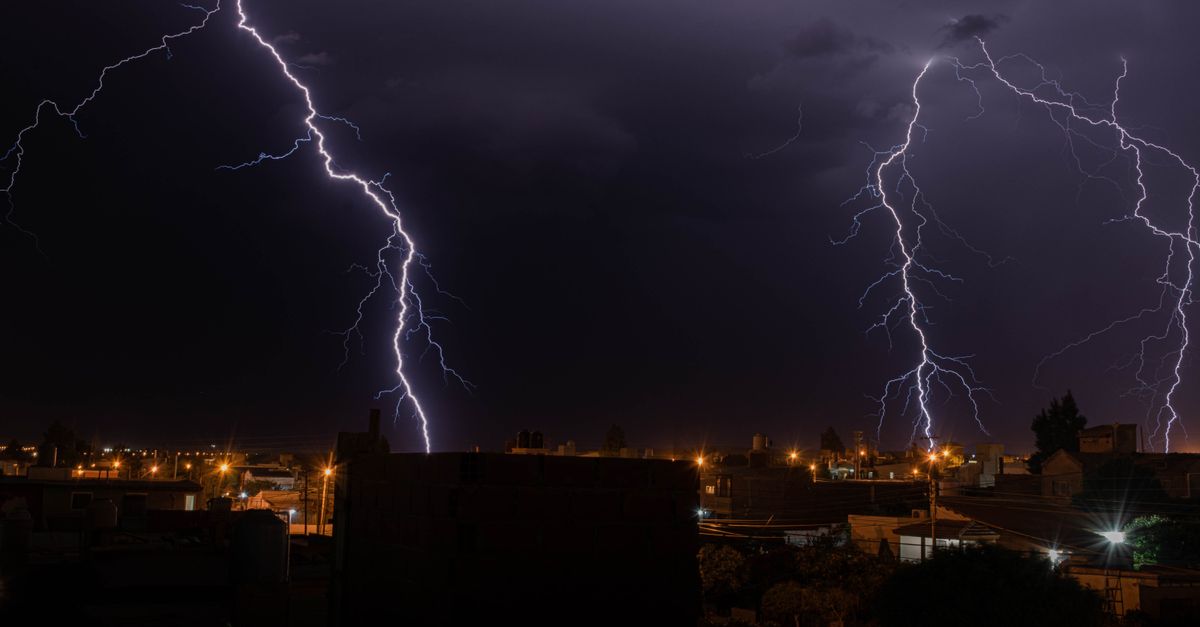
Thunderquakes, also referred to as storm quakes, are distinct from traditional earthquakes. Rather than originating from tectonic movement, they arise when intense atmospheric pressure changes or sound waves from lightning strikes transfer energy into the soil. This coupling can generate small but detectable seismic activity, nationalgeographic.com.es explains.
The potential value lies in what these signals reveal. Because thunderquakes send vibrations through the subsurface, scientists can analyze how those waves travel and reflect. Variations in speed or direction may expose hidden structures—such as rock layers, faults, or underground cavities—that are otherwise difficult to map without invasive drilling or costly surveys.
The research is still in early stages, according to the reports. The idea of using storms as natural seismic sources is novel, and much of the current work focuses on confirming how consistently thunderquakes occur and how reliably their signals can be interpreted.
Meteored España notes that the phenomenon has been documented during storm activity, but the full range of its applications remains under investigation. El Debate similarly characterizes thunderquakes as a rare and unusual occurrence born from weather events.
What to watch next: whether researchers can refine thunderquake data to produce practical subsurface maps, which would mark a significant step in turning a curious storm effect into a useful geological tool.
